
Training the Brain with Biofeedback
How does the brain learn to control movements when natural sensory information is limited?
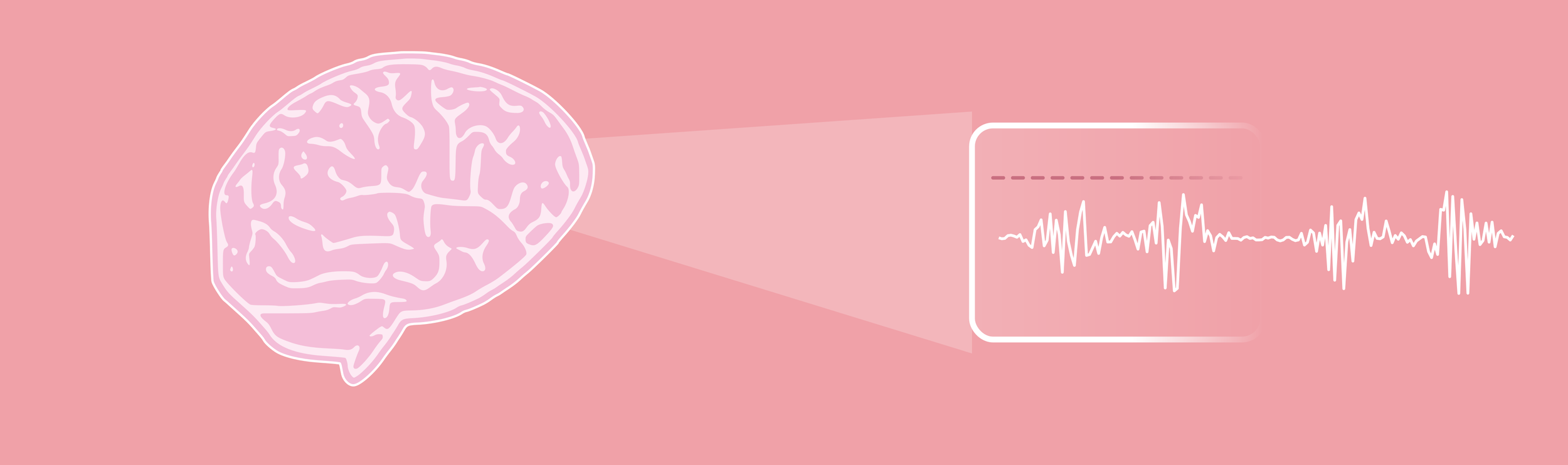
Pelvic-floor dysfunction is widespread yet underserved: over 60% of UK women report symptoms, with pregnancy and childbirth representing important risk periods. Biofeedback can provide an artificial window onto otherwise inaccessible bodily signals, but its success should not be measured solely by improvements while feedback is available. We believe effective biofeedback should act as "training wheels": accelerating learning before being withdrawn, rather than creating dependence on continued technological support. Using a non-invasive wearable system combining surface electromyography and machine-learning algorithms, our work explores how the content and delivery of biofeedback shape motor learning, and whether performance improvements persist when feedback is removed and generalise to untrained movements.
Example papers: Watch that space!